
Business advisor for expert-led businesses
Your business grew. Your freedom didn't.
I help owners of consulting, IT and engineering practices reshape the business behind the expertise, so it stops consuming them.
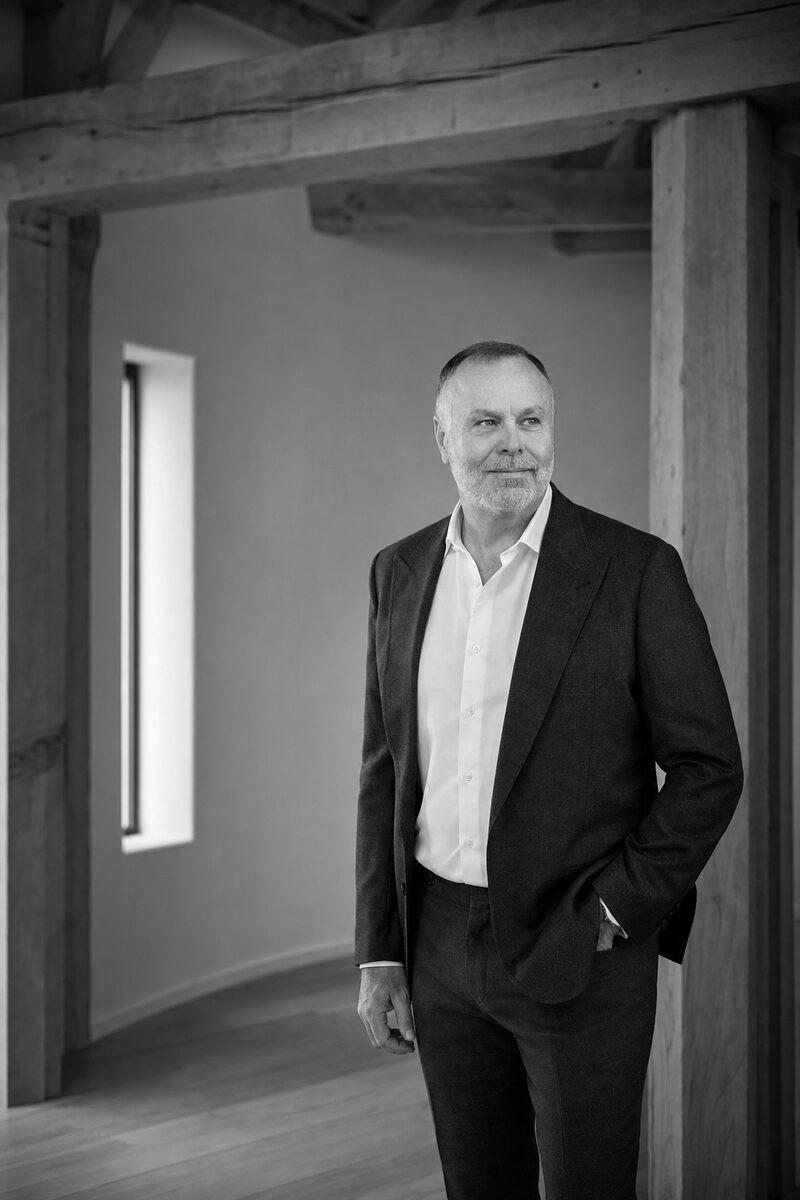
Behind the scenes, you know something's off.
From the outside, everything looks successful: steady revenue, happy clients, a reputation that holds. Up close, the thing is too bespoke and too dependent on you, and it has drifted a long way from the life you set out to build.
Looks successful, feels fragile
Polished brand, lumpy revenue.
It slows down when you do
Take two weeks off and you can see it in the pipeline when you get back.
Wrong design for your lifestyle
You left corporate for freedom, and this isn't it.
Tactics won't fix it
Pricing, posting and speaking treat the symptoms. The structure underneath stays the same.
Most of the owners I work with arrive at the same point. Everything they're good at is already fully deployed, and the practice has stopped responding to more of it.
The Practice Levels
Every expert-led firm sits at a level, and each level's solution creates the next one's problem. That is why the same medicine at the wrong level does harm rather than good. The framework is how I locate the practice before proposing anything. Most of my work sits at Levels 2 and 3.
Rarely a fit / Under $750K
The founder is the product
Clients buy your expertise and your judgement. Delivery routes through you because there is no-one else for it to route through. What has to get built first is an offer that can be scoped and priced, a clear ideal client, and lead generation you do on purpose. That is real work, and it is rarely work a firm this size can afford to buy in. If you are here, read the framework and come back.
A central focus of my work / $750K to $2.5M
The founder is the decision bottleneck
Hiring and delegation have begun, but staff carry responsibility without the authority to go with it. Revenue is still founder-dependent, and you are playing finder, minder and grinder in the same week.
Typical signs
Decisions queue behind you. Your people come back for approval on calls they could make themselves. You reclaim work you delegated. Conversion is inconsistent. The client relationships belong to you personally.
What has to be built
Stronger flagship offers. A simple sales rhythm. A pricing step-up, explicit decision rights, an accountability cadence, and a role for you that you would actually want.
The founder shift
Move out of standard delivery toward the finder role, without treating that as a demotion.
A central focus of my work / $2.5M to $6M
Delegation exists, but the systems haven't caught up
The firm has outgrown tacit management. The method and the management system never became transferable, so quality drifts, onboarding weakens, and you get pulled back into delivery to hold the line.
Typical signs
Offer creep. Margins sliding. An inconsistent client experience. Accounts concentrated in a few names. Judgement that lives in people's heads. Managers who are strong practitioners and have never been taught to manage.
What has to be built
A disciplined offer portfolio. A pricing rebase and a wider pipeline. Codified methodology, management capability, a clear structure and an explicit culture.
The founder shift
Stop being the sole source of the firm's judgement. Writing it down multiplies your intellect.
A destination, not a starting point / $6M to $15M
Infrastructure exists, but lacks coherence
A leadership team, documented processes, a defined offer architecture. The question is no longer whether the systems exist but whether they pull in the same direction. This is where a Level 3 practice is heading. Firms that already sit here need governance help of a kind I do not provide.
Beyond where I work / Independent of the founder
A decision point, not another growth rung
The firm has, or claims, independence from you. What is left is succession: institutionalise and exit, sponsor practitioner-led independence under the parent's name, or preserve identity through custodial succession. Applying an exit playbook to a firm meant for custodial succession is a fundamental error, which is why the choice is worth making on purpose.
A firm can legitimately decide to stay at a level and fix that level's problems properly. There is no obligation to climb. What doesn't work is treating a Level 3 problem with Level 4 machinery.
Three places the work usually lands.
Most projects touch all three, because they are connected. Pricing that doesn't hold is often an operating model problem wearing a commercial disguise.
Commercial Architecture
If you're undercharging, over-delivering, or selling in a way that makes growth harder than it should be.
We reshape the offers, the pricing and the positioning so the business stops capping your capacity.
Operating Model
If everything still runs through you, that's not a delegation problem. It's an operating model problem.
I help redesign how the business actually works, so it can grow and deliver with less of you in the middle of it.
Lifestyle Fit
If the business no longer matches the life you set out to create.
We look at what has to change so the work supports the freedom, income and outcomes you actually want.
Change takes time to embed. My clients value working closely over several months, because that is how a new way of operating becomes the normal way of operating.
How the work is shaped
Every engagement starts in the same place: finding out where the practice actually sits before anyone proposes a fix.
Start here
The Practice Level Check
A structured baseline. Your critical numbers, a Client Services Revenue Matrix, cash-flow and revenue forecasting, and a 30/60/90 day plan. You come out knowing which level you are at and what to fix first.
Ongoing
Partner Retainer
Three to twelve months working closely on what the Check found. Built for the move from Level 2 to 3, and from 3 to 4, where the change needs continuity to stick. Four partner clients at a time.
Group
The Practice Room
A standing group of owners working the same problems at the same stage. Useful if you would rather test a decision against people running comparable firms than take it to a board that doesn't exist yet.
Recent client results.
Scaled growth while freeing the owner to step away from daily operations.
Helped a technology expert step up to board-level influence.
Stabilised feast-and-famine cash cycles by building recurring revenue models.
He helped us turn work we were already good at into a packaged service line and get it to market. It's tracking to add around 35% to our bottom line.
 Gary Bieber
I don't make a pricing or contract decision without running it past him. Since working together we've tripled revenue.
 Shane Williams
I'd built the practice on expertise. The commercial side was never deliberate, because nobody had given me the language for it. I have it now.
 Salli Cohen
We'd watched him do this for other founders in our network before we ever worked with him. He's sharp on the commercial side and has made a real difference.


Taural Rhoden
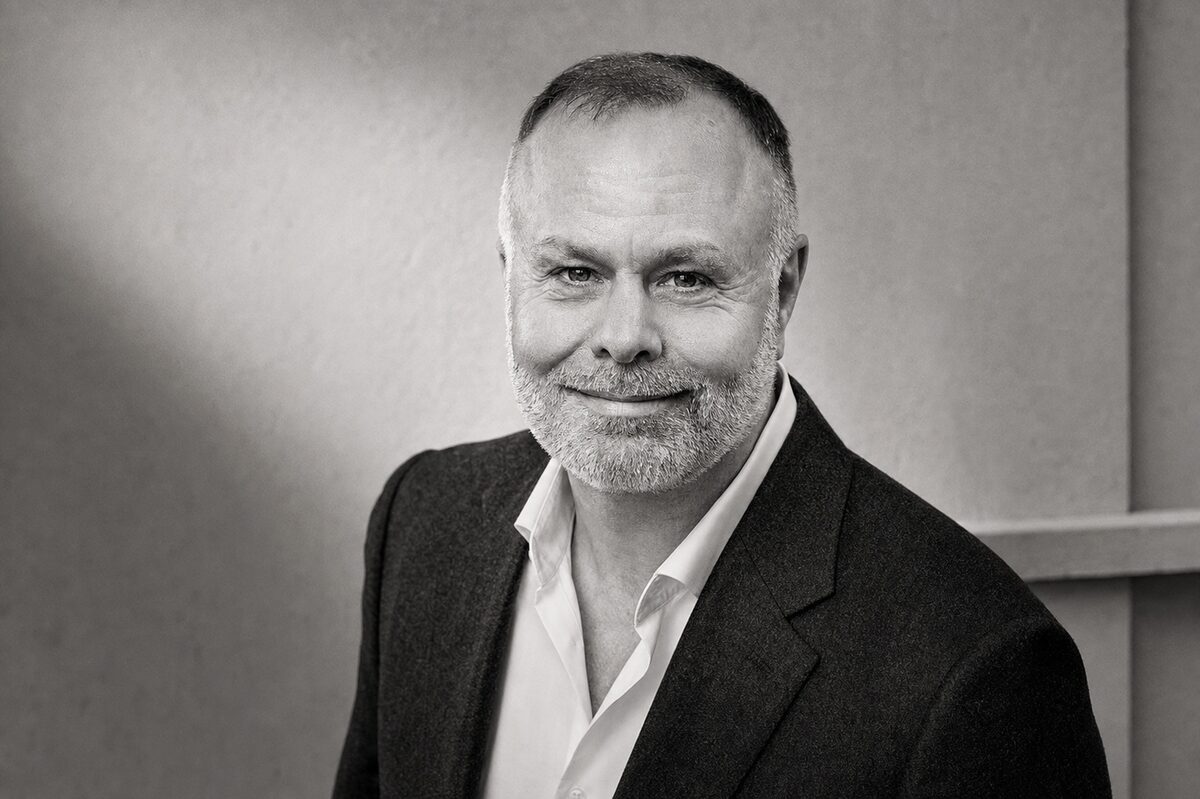
I've spent my career inside expert-led firms: consulting across Europe, Asia and Australia, owning client portfolios, building delivery and sales capability, and stabilising practices that had stopped working.
As managing director of a services firm, I was brought in to stabilise a business losing clients and people. I rebuilt it and led it through to a successful sale. That work, and the research that followed, became The Practice Levels.
There's rarely one fix. There's a sequence, and getting the order wrong costs more than doing nothing.
Learn about me beyond the work →If you recognise yourself in any of this, let's talk.
Start with a Practice Level Check: where the practice sits, what the current shape is costing you, and what has to change first.
Practice Notes
Written for owners at Levels 2 and 3, on the commercial mechanics of a technical practice. If you're not ready to talk, start here.
Subscribe to Practice Notes